Science Graphics for Print Templates: A Designer’s Review
When I first opened the Science design file, I was struck by its vibrant, educational energy. This is a graphics set that clearly targets science enthusiasts, but its potential goes beyond niche appeal. From a design standpoint, it’s a versatile asset that can elevate a variety of print and digital projects, especially when used with intention and context.
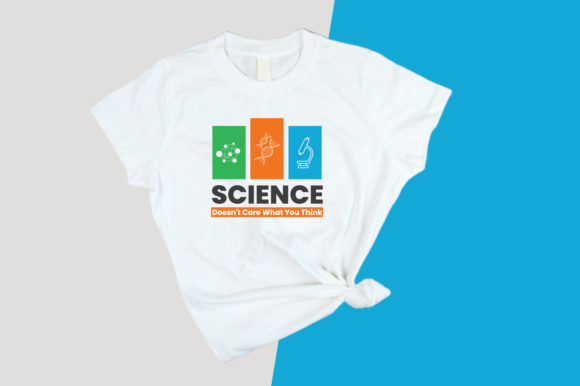
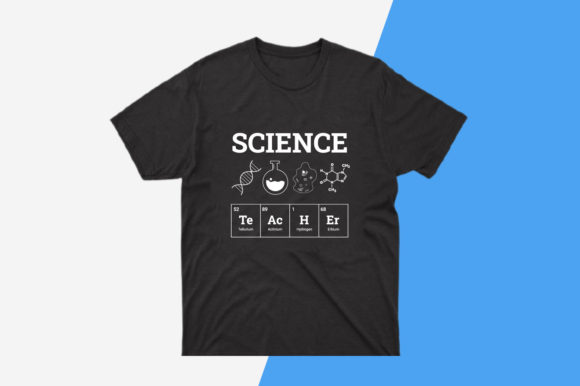
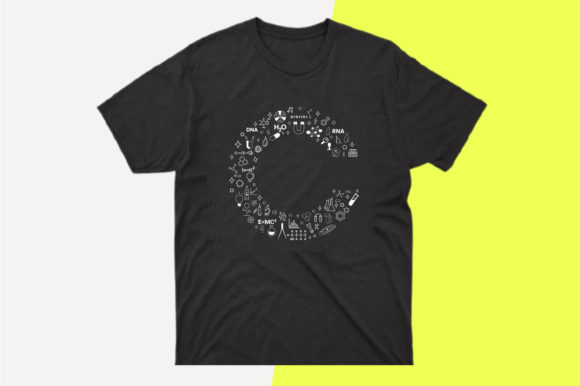
The visual tone is playful yet informative, blending classic science motifs—like atoms, beakers, and DNA strands—with modern line work and flat color schemes. It feels like a hybrid between educational illustration and contemporary design, making it ideal for brands that want to communicate knowledge, curiosity, and creativity in a visually accessible way.
First Impressions: Mood, Style, and Project Fit
Science immediately suggests a youthful, inquisitive mood. It’s not overly technical or clinical, which makes it approachable for general audiences. The style leans toward clean, scalable vector graphics with a hint of whimsy, perfect for brands or campaigns that want to humanize science or make it more relatable.
This design asset would naturally fit a small business launching a line of science-themed apparel, an Etsy shop selling educational prints, or a local science fair looking for engaging promotional materials. It also works well for seasonal campaigns like back-to-school or STEM awareness events.
Performance Across Design Applications
Where Science truly shines is in projects that benefit from thematic visual storytelling. Here’s how it performs across common design use cases:
- Logo design: Can serve as a secondary icon or supporting graphic, but may need simplification for primary branding.
- Brand identity: Works well as part of a larger visual system, especially when paired with modern sans-serif fonts.
- Product labels: Ideal for novelty items like science-themed stickers, mugs, and tote bags.
- Packaging design: Adds character to boxes, tags, or inserts for handmade or educational products.
- Social media graphics: Strong visual appeal for platforms like Instagram and Pinterest, where thematic content performs well.
- Printable designs: Excels in downloadable educational content, classroom decor, or science-themed party printables.
- Cricut projects: Easily adaptable for vinyl cuts, especially for custom science-themed apparel or decor.
Best Use Cases for Maximum Impact
Science thrives in environments where visual storytelling is key. It works exceptionally well in:
- Themed collections: Whether it's a seasonal product drop or a full line of science-inspired merchandise, this design ties the theme together.
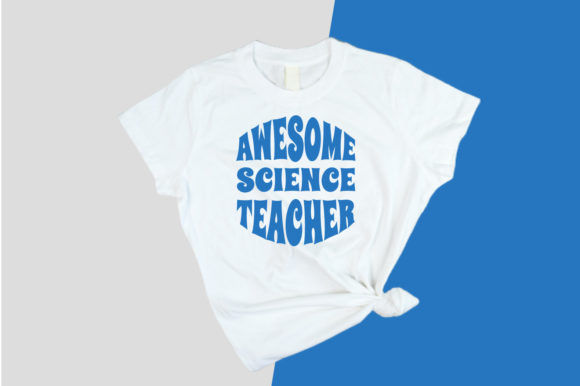
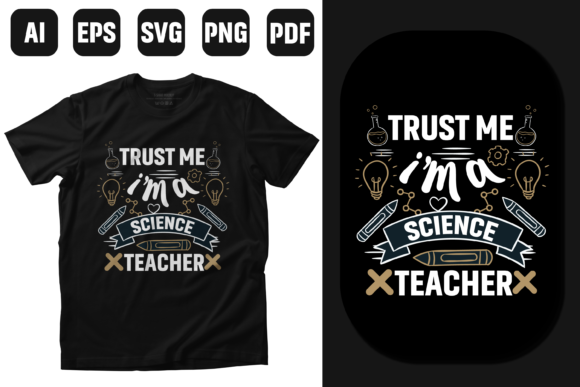
- Product mockups: Looks great on t-shirt, mug, and tote mockups, especially when presented with clean backgrounds.
- Campaign visuals: Perfect for digital ads, banners, and email headers that promote science-related content or products.
- Supporting brand elements: Enhances brand assets like social media badges, website icons, or packaging accents.
- Print-on-demand: Highly adaptable for platforms like Etsy, Teespring, or Redbubble where users expect ready-to-wear designs.
Design Scenarios to Approach with Caution
While Science is a strong visual asset, it’s not universally applicable. It should be used carefully in the following situations:
- Small sizes: Detail can get lost on tiny stickers, badges, or thumbnails.
- Crowded layouts: Can compete with other design elements, reducing readability and visual clarity.
- Low-contrast designs: May fade into the background if not paired with bold colors or clear spacing.
- Minimalist branding: Doesn’t align well with ultra-clean or corporate aesthetics.
- Professional materials: May feel out of place in formal reports, corporate presentations, or high-end packaging.
Impact on Branding and Audience Engagement
Used thoughtfully, Science can enhance brand consistency and emotional appeal. Its thematic nature helps build a strong visual identity, especially for niche markets. When integrated into a broader design system, it can increase audience recognition and engagement by reinforcing the core message of curiosity and learning.
However, designers should be mindful of how it affects readability and visual hierarchy. Overuse or poor placement can distract from key messaging. The asset works best when it supports—not overshadows—the content it surrounds.
Practical Designer Notes Before Use
Before integrating Science into a client project, here are key checks to perform:
- Test in black and white: Ensure the design remains recognizable without color cues.
- Check contrast: Preview on both light and dark backgrounds to confirm visibility.
- Preview at multiple sizes: Confirm clarity from large posters to small stickers.
- Place on real mockups: See how it looks in context, especially on apparel or packaging.
- Test print quality: Make sure lines and colors hold up in physical prints.
- Review file formats: Look for SVG, PNG, and PDF options to ensure flexibility across platforms.
- Inspect PNG transparency: If included, verify it blends well with layered designs.
- Check vector editability: If using SVG files, ensure you can customize elements in design software like Illustrator.
- Compare with fonts: Pair with serif, sans-serif, script, and display fonts to find the best typographic match.
- Confirm licensing: Always verify the asset includes a commercial license before using it for client or business work.
Final Thoughts: A Versatile Addition to Your Creative Toolkit
Science is more than just a graphic design asset—it's a thematic tool that can bring personality and purpose to a wide range of creative projects. Whether you're designing for a small business, a digital brand, or a print-on-demand store, this set offers flexibility and visual appeal when used with care.
For designers, brand owners, and content creators, it's a valuable resource that bridges the gap between education and entertainment. Just remember to test, preview, and align it with the overall brand direction to ensure it enhances—rather than complicates—your design work.